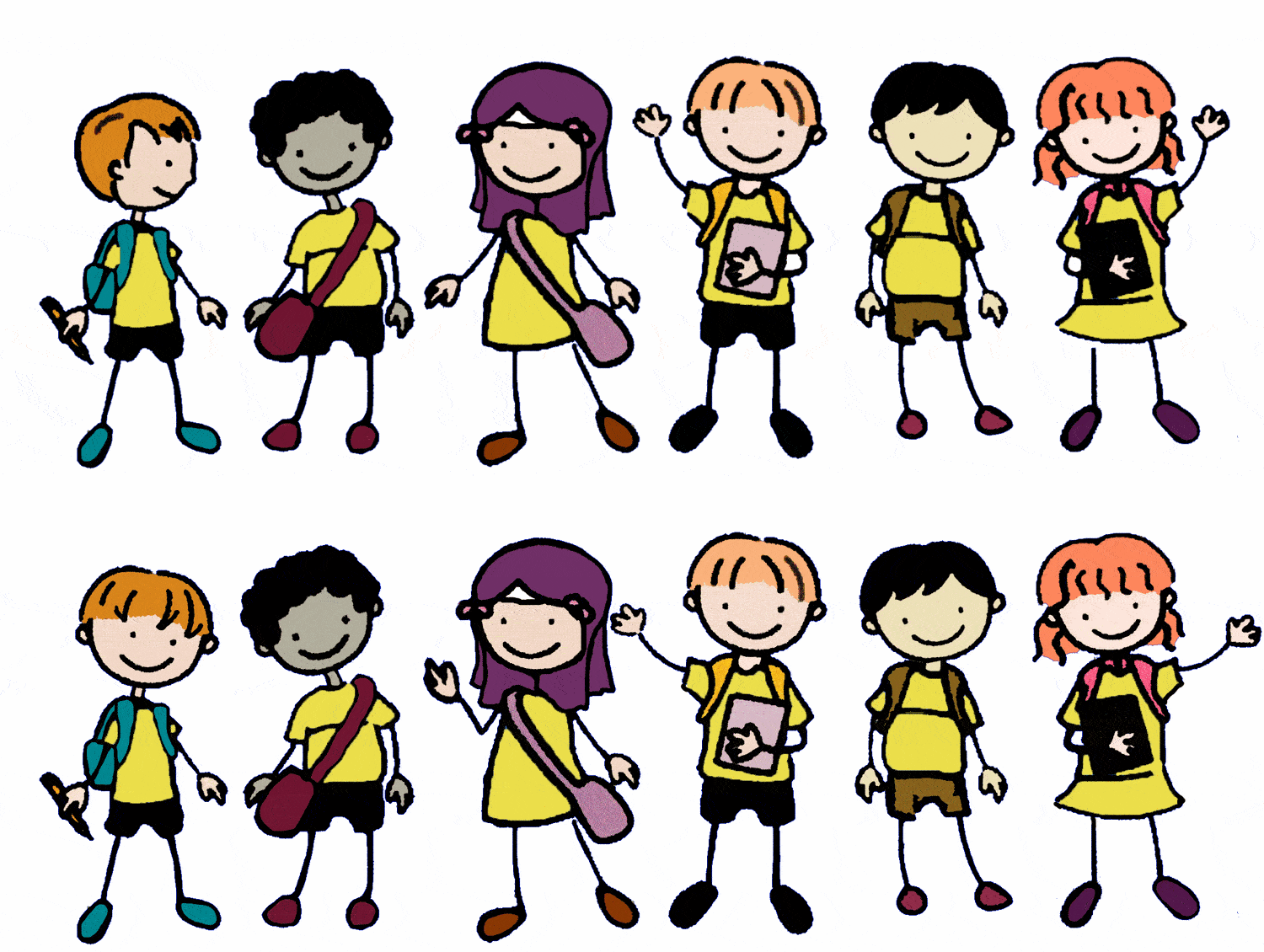
For Parents of Children Aged 12–18 Years
If your child won’t tell you what’s wrong, their handwriting will tell you


Vaishali B Paul
Graphologist | Founder of CohortSkills
Webinar Details
Date
8th Feb 2026
Time
11:00 AM
Duration
2 Hours
Language
English
Learn how handwriting reveals your child’s real emotions.
In this webinar, we’ll share 10 negative handwriting signs that parents can easily look for in their child’s writing.
Feeling confused, stuck or mentally overwhelmed
This affects how they make decisions, respond to instructions and manage daily expectations.
Why they get angry, irritated or frustrated
Emotional buildup, unspoken thoughts or hidden fears often sit behind sudden reactions and outbursts.
Their natural strengths and personality style
Some children think creatively, some logically, some emotionally understanding this makes parenting easier.
How they handle stress, pressure and criticism
Every child reacts differently some avoid, some shut down, some get tense, and some push themselves too hard.
Learn how handwriting reveals your child’s real emotions.
Who Is This Webinar For?

A concerned parent of a child aged 10–18 who wants to understand what’s going on beneath the surface.

Feeling a growing disconnect or tension between you and your child — and don't know how to bridge it.

Open to non-traditional, science-backed tools like handwriting analysis to gain fresh perspective.

Tired of guessing what your child is feeling, and want real clarity without confrontation.

Noticing sudden shifts in behavior, mood, or motivation but struggling to get your child to open up.

Aware that something’s “off” but unsure how serious it is, or what steps to take next.
A Simple Framework to Reduce Conflict and Build Trust with Your Teen
C.A.L.M Framework for Parents
C – Clarity of Emotions
A – Awareness of Behaviour Patterns
L – Language Beyond Words
M – Mindset Correction
Handwriting Never Lies.
What If Their Silence Is Saying More Than You Realize?
You try to talk.
You try to connect.
Do you feel your child hides their emotions and shuts you out ?
Sudden behavior shifts, anger, disinterest, or rebellion leaving you worried?
Is your once expressive kid becoming more withdrawn?
Feeling unsure, asking yourself — “Where am I going wrong?”
Why Handwriting? Why Not Talking?
- 😕 I’m fine
- 😣 Nothing
- 😓 Leave it
- 🥺 You won’t understand
The emotional pressure they are carrying but not sharing
Stress, anxiety, or overwhelm they don’t have words for
Confidence issues they try to cover up
Anger, frustration, or sadness behind their behaviour
How safe or unsupported they feel at home
Early signs of unhealthy coping habits
How they handle criticism, pressure, and responsibility
Inner struggles that may turn into bigger problems later
Learn how handwriting reveals your child’s real emotions.
Common Signs Parents Should Not Ignore
- Sudden drop in interest or motivation
- Unexplained anger, irritation, or frequent mood changes
- Overthinking or constant self-doubt
- Difficulty focusing or staying attentive
- Emotional shutdown or withdrawal from family
- Pressure to be perfect or fear of making mistakes
- Anxiety, restlessness, or feeling overwhelmed
- Low self-worth or confusion about identity
- Strong peer pressure or social stress
- Hidden fears or emotional sensitivity they do not talk about
About Vaishali B Paul

Vaishali B Paul
Graphologist | Founder of CohortSkills
- Emotional struggles
- Behavioural changes
- Confidence issues
- Study-related stress
- Parent–child communication gaps
Here's What People have to Say
Real People Real Results
Learn how handwriting reveals your child’s real emotions.
Frequently Asked Questions
No, you don’t need to send anything in advance.
Just keep a recent writing sample with you during the session it will help you understand the examples better.
Not at all. This webinar is designed to help you understand, not judge. The purpose is to see what your child may be feeling so you can support them in a healthy, gentle way.
60% of the psychometric tests don’t match reality, children get bored answering long tests , give wrong answers, manipulate answers. But handwriting is a subconscious projection of the mind which the child is unaware of and cannot be manipulated . Hence the true personality and behaviour of the child is revealed through study.
Absolutely. Both parents can join from a single device or separate devices. The more understanding you share at home, the better it becomes for your child.
Your Child’s Handwriting Holds Answers.
- You don’t need arguments.
- You don’t need to guess.
- You don’t need to wait for things to get worse.
Learn how handwriting reveals your child’s real emotions.